2-3 DAY DELIVERY



Moxibustion Therapy: Review of Infrared versus Traditional Herbal Sticks
by Michelle D. Stobart, L.Ac.
Moxibustion is a technique used in clinical practice of acupuncturists that involves the burning of a compressed or loose mugwort (artemesia vulgaris) herb. This practice is used to create a heat and herbal therapy applied to the skin most often indirectly, though there are occasions where direct applications are warranted. There are many ways to apply herbal heat therapy, the most common of which is through traditional moxa stick rolls, stick-on cones and moxa box applications. Burning these herbal based products in a clinical setting can create some unwanted outcomes from the smoke, including lingering smells in the treatment room and clinic space (even with the use of air purifiers), as well as allergic reactions for patients and colleagues who suffer from asthma or other respiratory issues.
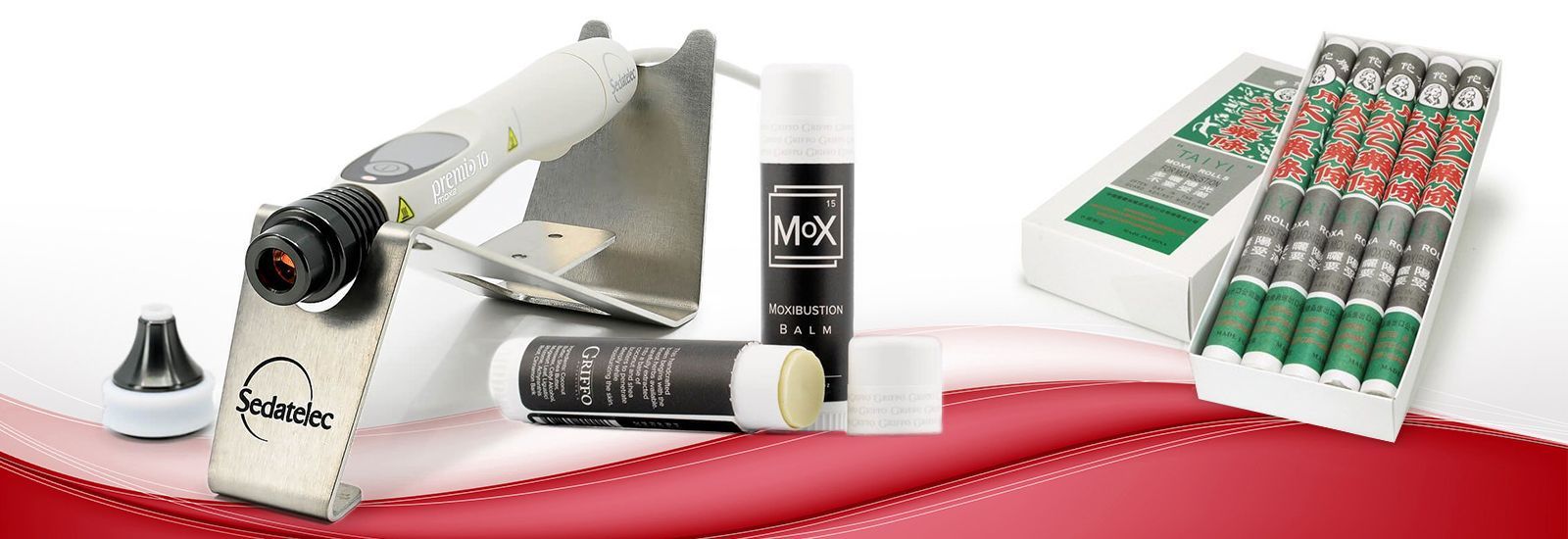
Due to the fire risk, smoke and unwanted smells, many acupuncturists are prohibited from using these products as part of their treatment tool kits in clinical settings. This is an unfortunate circumstance given the efficacy of this type of therapy for many conditions like common cold, fertility support, excessive menstrual bleeding, pain relief and helping to turn a breech baby. I've explored alternatives to traditional moxa rolls like the smokeless moxa in an effort to reduce smells but retain benefits of herbal heat therapy. While these provide the heat, and to some extent the herbal treatment, I find them not quite as pure of a product. Recently, I have come across the Sedatelec Premio 10 professional electric smokeless moxa device.
This unit provides heat therapy through infrared technology. This allows for the heating portion of moxa therapy to be applied without the unwanted smells, ash or smoke. However, it makes me wonder what's being lost in the lack of herbal application. The mugwort herb has been used for centuries in food and medicine – everything from flavoring beer (before hops) to treatment of digestive, menstrual and pain complaints. So are we losing something in the application of infrared heat therapy without the herbal component attached?
I've tried the electrical moxibustion both with and without a moxa balm (made from mugwort, beeswax, olive oil and vitamin E). While I haven't done extensive patient studies, here's what I have found from my personal use and experimentation compared to traditional moxa stick use:
- The feeling of heat on the skin during and after treatment is equivalent between both traditional moxa stick and electrical moxa application.
- The pink skin coloration during and after treatment is equivalent between both traditional moxa stick and electrical moxa application.
- The results of electrical application on the skin seem to penetrate deeper and remain longer when a moxa balm is applied versus just heat therapy on the skin.
- The electrical moxa takes less time to create and produce the heat sensation than traditional moxa stick roll. This was true with and without the moxa balm.
- The heat from the electrical moxa device feels similar to the traditional moxa stick when the concentrator is removed.
- The electrical heat therapy device is pricey compared to traditional moxa sticks, and you will need to purchase a quality moxa balm if you want the herbal therapy as well.
Overall, I find in combination with a quality moxa balm, it is reasonable to conclude that the use of an electrical moxibustion device could allow the inclusion of this therapy in clinic settings to achieve the herbal heat therapy of traditional moxibustion sticks, without the unwanted smoke, ash or odors.
If you desire to geek out a little more on the comparison of the wavelength of infrared heat of traditional moxibustion and the electrical moxibustion, I invite you to check out the charts on the Lhasa OMS website found at: https://www.lhasaoms.com//media/wysiwyg/pdf/FCP-PREMIO10-EN-2010-09.pdf
Michelle D. Stobart is an Ohio board certified Licensed Acupuncturist practicing in Athens, Ohio. She is also a yoga therapist certified through the International Association of Yoga Therapists, and a Yoga Alliance E-RYT 500. She spends her time in clinic combining her 20+ years of alternative medicine helping her patients find relief from pain, menstrual complaints, headaches/migraines, and complicated disorders that patients haven't been able to find support through more traditional means. She is a frequent contributor to Lhasa OMS with articles, videos and more.